


Sustainable Egg Farming Practices
As consumers become more conscious about the food they eat, sustainable and humane egg farming is drawing more attention. This post provides an overview of practices that improve hen welfare, reduce environmental impact, and help consumers make informed choices. We’ll cover free-range and pasture-raised options, smart feed choices, waste and manure management, and practical steps you can take to support responsible egg producers.
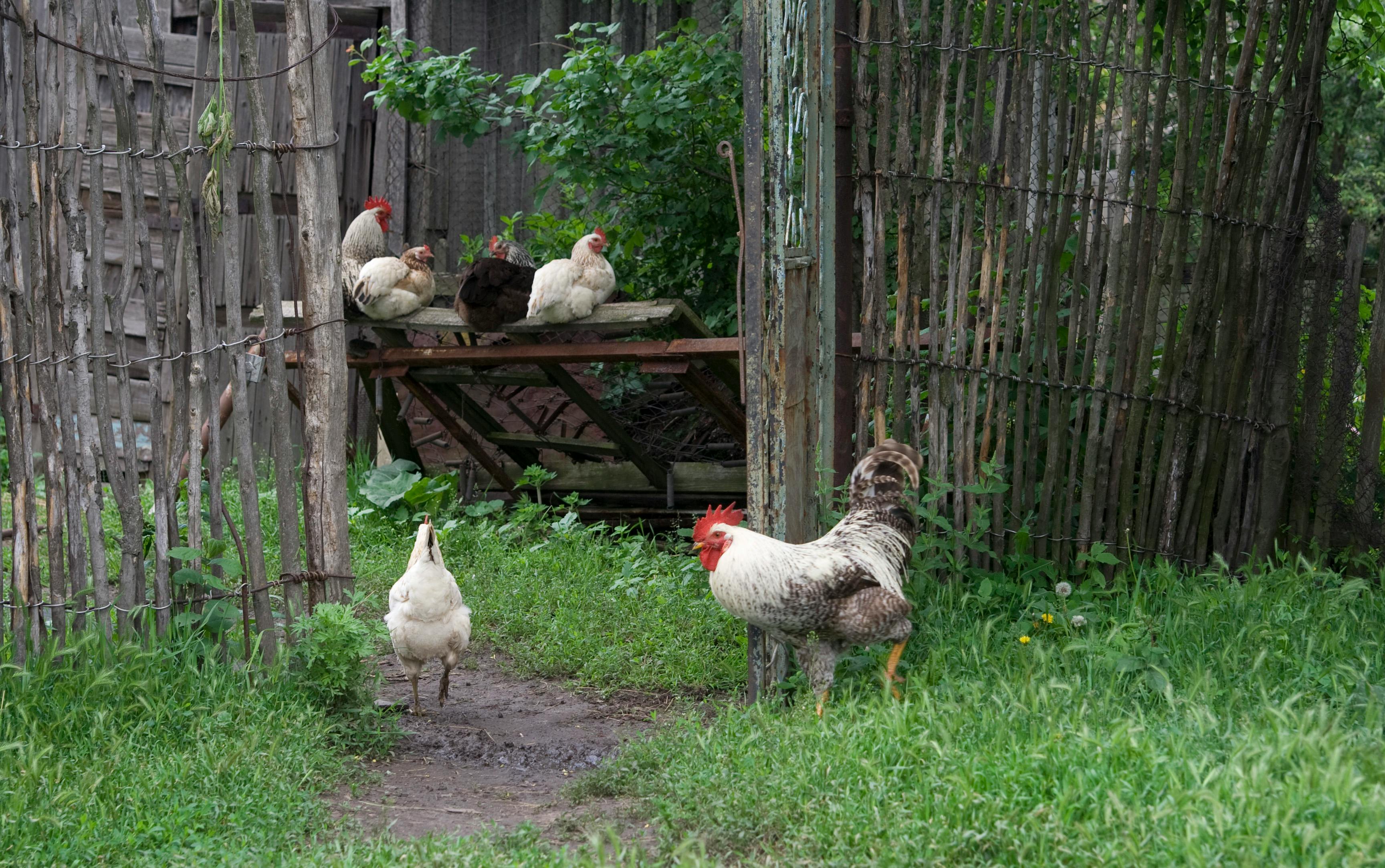
Understanding Systems: Cage-Free, Free-Range, and Pasture-Raised
Not all eggs are produced the same. Labels matter, and so do the conditions behind them.
- Cage-free: Hens are not kept in battery cages and can move within an indoor barn. This improves mobility but does not guarantee outdoor access.
- Free-range: Hens have timed or continuous access to the outdoors. Quality of outdoor space varies by farm — more space and natural cover means better welfare.
- Pasture-raised: Hens spend most of their lives on pasture with rotational access to fresh forage. This system supports natural behaviors like foraging and dust bathing.
Humane Practices That Matter
Humane practices prioritize birds’ physical and behavioral needs. Important elements include:
- Enrichment: perches, nest boxes, and scratch areas help hens perform natural behaviors.
- Low stocking density: fewer birds per square foot reduces stress, disease spread, and feather pecking.
- Access to outdoors: even limited, well-managed outdoor access improves welfare and nutrient intake through foraging.
- Careful handling and health monitoring: regular veterinary oversight and low-stress handling techniques.
Feed Choices: Nutrition and Sustainability
Feed accounts for a major portion of environmental impact in egg production. Sustainable feed strategies include:
- Balanced nutrition: Formulating diets to meet hens’ needs without excess protein reduces nitrogen excretion.
- Local sourcing: Using locally grown grains and legumes cuts transportation emissions and supports regional farmers.
- Alternative proteins: Incorporating insect meal or algae can lower reliance on soy and fishmeal and reduce the farm’s carbon footprint.
- Non-GMO and organic options: For consumers who prefer them, organic feed avoids synthetic pesticides and fertilizers, but check the whole-farm practices.
Waste Management and Nutrient Recycling
Manure handling is key for environmental stewardship. Best practices include:
- Composting manure to stabilize nutrients and kill pathogens before field application.
- Using anaerobic digesters where feasible to capture methane and produce biogas for on-farm energy.
- Applying manure to fields at agronomic rates to avoid nutrient runoff and protect water quality.
- Integrating poultry systems with crop rotations to recycle nutrients and improve soil health.
Energy, Water, and Carbon Considerations
Small changes add up. LED lighting, energy-efficient ventilation, solar panels, and rainwater capture reduce resource use. Many farms track greenhouse gas emissions and set targets for reduction; supporting those that measure and report progress helps accelerate improvements across the sector.
Certifications and Transparency
Labels can help, but they vary in strictness. Look for reputable certifications such as:
- Certified Humane
- Animal Welfare Approved
- USDA Organic (for organic feed and management standards)
- Global Animal Partnership (tiered welfare standards)
Also, local farm transparency — farm tours, clear on-farm policies, and willingness to answer consumer questions — is often as important as a national label.
How Consumers Can Support Responsible Farms
Individual choices influence supply chains. Here are practical ways to support sustainable egg farming:
- Buy from local farmers or trusted brands that publish animal welfare and environmental policies.
- Visit a farm or farmer’s market; talking to producers reveals their practices more clearly than a label alone.
- Prioritize higher-welfare eggs when your budget allows — even occasional purchases help demand grow.
- Join community-supported agriculture (CSA) programs that include eggs or subscribe to farm boxes.
- Advocate for policy changes that support sustainable practices, such as funding for on-farm renewable energy or manure management programs.
Balancing Trade-Offs
No system is perfect. Pasture-raised eggs may have higher land use but often offer superior welfare and biodiversity benefits. Conversely, well-managed indoor systems can reduce some emissions through scale and efficiency. The best approach supports continual improvement: farmers adopting better practices, measuring outcomes, and responding to feedback.
Final Thoughts
Sustainable egg farming combines humane treatment of hens, smart feed and resource choices, effective waste management, and transparent practices. As consumers, informed choices and direct support for responsible farms send clear market signals. When in doubt, ask questions, look for reputable certifications, and prioritize farms that demonstrate measurable progress in both animal welfare and environmental stewardship.
Do you have a local farm you trust or a question about egg labels? Share your experiences — consumer demand helps shape the future of farming.



Helpful breakdown of certifications. It’s sometimes confusing to know which labels to trust.
Can you recommend any resources for finding local farms with good welfare practices? Would love a directory.
I run a small poultry farm and can confirm that rotational grazing and composting made a big difference in soil health.
Great overview — I learned more about what ‘free-range’ actually means. I’ll be more careful when choosing eggs now.
Thanks for including feed alternatives like insect protein — interesting idea for reducing soy dependence.